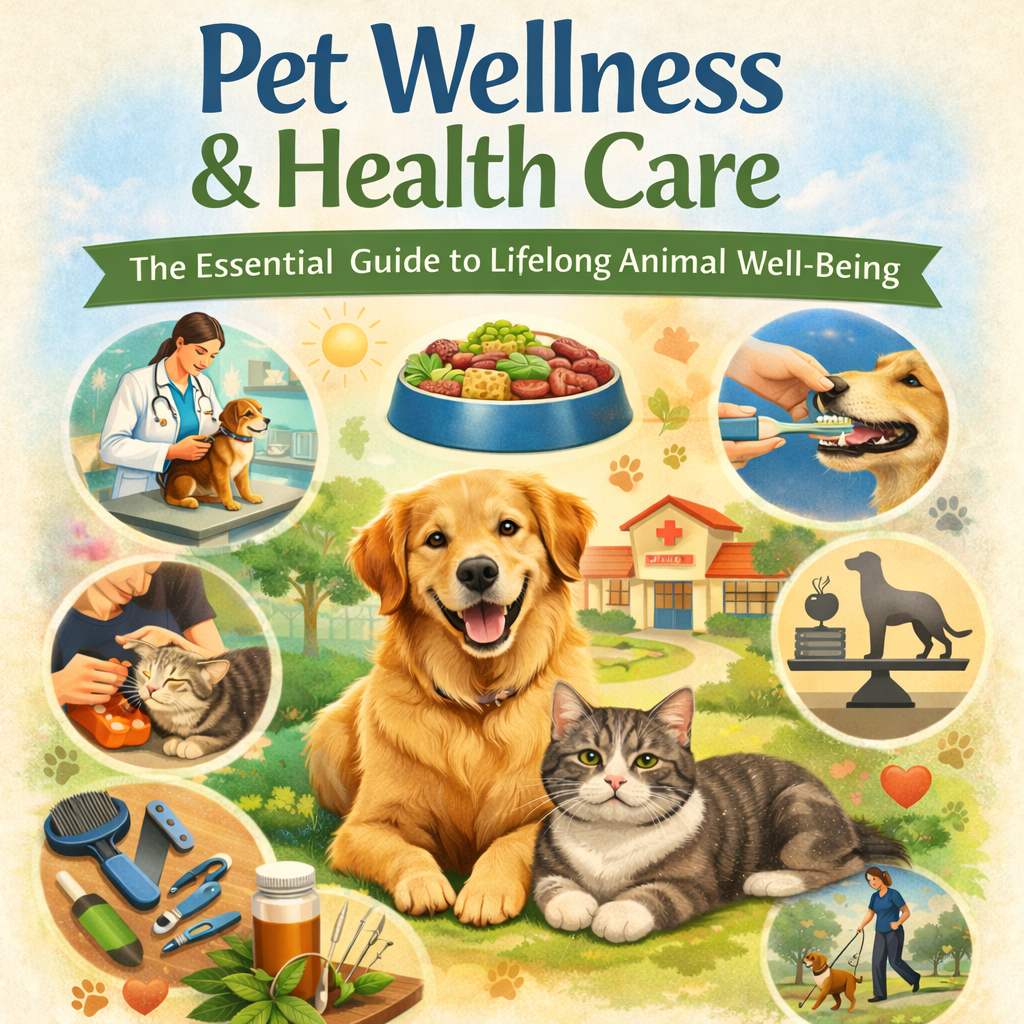
The Real Basics of Raising a Healthy, Happy Pet

Caring for a pet isn’t just tossing food in a bowl and calling it done. Pets are family. We want them happy, healthy, and sticking around for as many good years as we can get. That takes attention—not just to what they eat, but to their moods, habits, and overall health.
Real wellness means staying ahead of problems, not just reacting when something goes wrong. It’s about balance. And when you focus on the full picture, you give your pet the best chance at a long, joyful life.
So what does a healthy, thriving pet actually need? Here’s the heart of it.
1. Preventive Vet Visits: The Starting Line

Regular vet visits aren’t just another task to check off. They’re your best chance to catch small issues before they turn into major problems. Early detection usually means easier treatment, lower costs, and more quality time together.
A solid preventive routine includes:
-
Wellness exams once or twice a year
-
Vaccines tailored to your pet’s lifestyle
-
Prevention for fleas, ticks, worms, and heartworm
-
Routine blood work to detect hidden conditions
-
Dental evaluations
Think of it as investing in your pet’s future. A little effort now saves a lot of trouble later.
2. Balanced Nutrition: The Bedrock of Health

What your pet eats affects everything—energy levels, immune strength, skin health, and even lifespan. Simply filling the bowl isn’t enough.
Focus on:
-
High-quality protein
-
Healthy fats for skin and coat
-
Proper vitamins and minerals
-
Portion control
-
Constant access to fresh water
Obesity in pets can lead to diabetes, joint pain, heart disease, and other serious conditions. A consistent feeding routine and proper portion sizes make a huge difference.
3. Dental Care: More Than Fresh Breath
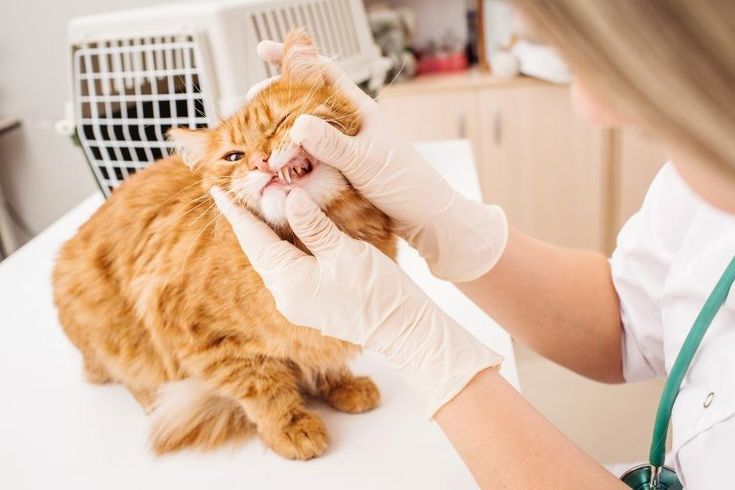
Dental health often gets overlooked, but it plays a major role in overall wellness. Poor oral hygiene can lead to infections that affect the heart, liver, and kidneys.
To stay ahead:
-
Brush their teeth using pet-safe toothpaste
-
Offer dental treats designed to reduce plaque
-
Schedule professional cleanings when recommended
Healthy teeth mean a healthier pet. It’s not just about breath—it’s about long-term health.
4. Exercise and Weight Management

Pets need regular movement to stay physically and mentally fit. Exercise strengthens the heart, supports joints, builds muscle, and reduces stress.
For dogs, this may include:
-
Daily walks
-
Fetch
-
Training sessions
For cats:
-
Interactive toys
-
Climbing structures
-
Short, energetic play sessions
Regular activity prevents weight gain, reduces anxiety, and curbs destructive behavior. A tired pet is often a happy pet.
5. Mental and Emotional Health

Your pet needs more than food and shelter—they need stimulation and connection.
Support their emotional well-being by:
-
Providing puzzle toys or food challenges
-
Mixing training with play
-
Spending quality time together
-
Maintaining a predictable daily routine
Pets thrive on consistency. When they feel secure and mentally engaged, they’re calmer and more content.
6. Grooming and Skin Care

Grooming isn’t just about appearance—it’s a valuable health check. It gives you the chance to spot lumps, parasites, skin irritation, or infections early.
Make sure to:
-
Brush regularly to prevent tangles and matting
-
Trim nails to protect joints and posture
-
Clean ears to prevent infection
-
Use pet-safe bathing products
Beyond health benefits, grooming strengthens your bond. Even pets that squirm appreciate the attention.
7. Holistic and Integrative Care

Many pet owners now combine traditional veterinary care with complementary approaches. This can include:
-
Nutritional supplements
-
Joint support therapies
-
Massage or physical therapy
-
Stress-reduction techniques
Always consult your veterinarian before adding anything new. When done responsibly, integrative care can support overall wellness and comfort.
8. Tech and Modern Tools

Pet care has entered the digital age. From smart feeders to activity trackers and health-monitoring collars, technology makes it easier to track habits and detect changes early.
These tools can help you:
-
Monitor activity levels
-
Manage feeding schedules
-
Track health trends
While tech doesn’t replace hands-on care, it adds another layer of support.
Conclusion
Raising a healthy pet isn’t about doing one thing perfectly. It’s about consistency, balance, and paying attention.
When you invest in preventive care, nutrition, exercise, mental stimulation, and routine checkups, you’re not just preventing problems—you’re building a longer, happier life together.
And in the end, that’s what really matters.